
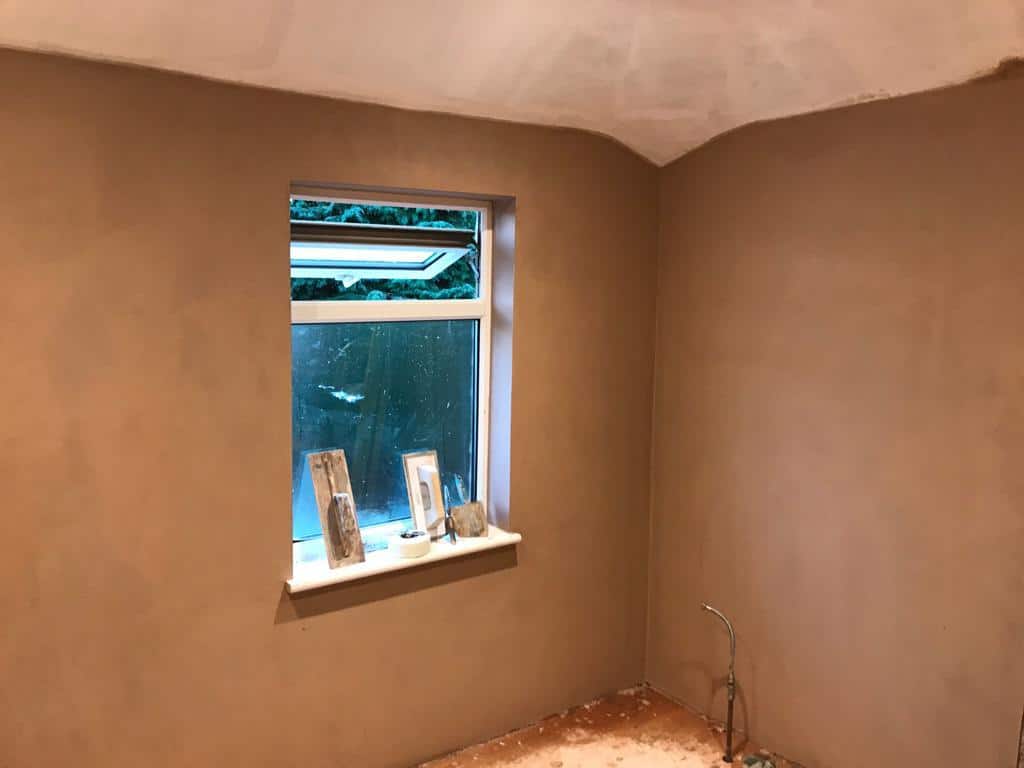
What is Skimming? Plaster Skim Coats Explained
Quick answer
Skimming is the application of a thin 2–3mm finishing coat of plaster over an existing surface or fresh plasterboard, leaving it smooth and ready to decorate. A single wall typically costs £120–£250 and a full room £450–£800 in 2026. A skimmed wall is usually ready to paint in 3–7 days.
Skimming is the application of a thin finishing layer of plaster — usually 2–3mm — over an existing surface to leave it smooth, flat and ready for decoration. It’s the most requested plastering job in any house, and the one that separates good plasterers from everyone else, because there’s nowhere for imperfections to hide in a 3mm coat. This guide covers when walls need skimming, how it’s done, how long it takes to dry, and what it costs in 2026.
Skimming vs full plastering vs dry lining
| Job | What it is | When you need it |
|---|---|---|
| Skimming | A 2–3mm finish coat over an existing sound surface or fresh plasterboard | Tired-but-solid walls, board finishing, covering artex |
| Full (two-coat) plastering | Backing coat to level the wall, then a skim finish | Bare brick or blockwork, badly damaged or uneven walls |
| Dry lining | Plasterboard fixed to the wall, joints taped and filled or skimmed | Very poor walls, adding insulation, fast-track work |
If the existing plaster sounds hollow when tapped or is blown away from the wall in patches, a skim over the top won’t save it — that’s a re-plaster or a dry lining job. Our guide to what plastering involves covers the full picture.
When does a wall need skimming?
- After wallpaper stripping — decades of paper, paste and patch repairs rarely come off cleanly. A skim resets the surface.
- Over artex and textured finishes — the classic. Once any asbestos risk is ruled out on pre-2000 textured coatings, a skim (sometimes over a bonding or isolating coat) turns a swirled ceiling into a flat one.
- Fresh plasterboard — boarded walls and ceilings need either taped-and-filled joints or, for the best paint finish, a full skim.
- Hairline crazing and general wear — sound but scruffy plaster, filled and sanded a dozen times, reaches a point where skimming is quicker and better than another round of filler.
How skimming is done
The skill is mostly in the preparation and the timing. The sequence on a typical wall:
- Preparation — remove loose material, fill deep holes, and control suction. Old, thirsty plaster gets a diluted PVA or primer coat; without it the skim dries before it can be trowelled, and the finish is lost before it starts.
- First coat — a tight coat of finishing plaster laid on with the trowel and flattened.
- Second coat — applied as the first firms up, bringing the wall to a true, even plane.
- Trowelling up — repeated passes as the plaster sets, polishing the surface to a smooth, closed finish. Timing is everything: minutes too early or too late and the difference shows under paint.
The standard finishing plaster across the trade is from British Gypsum’s Thistle range — Multi-Finish for most backgrounds, Board Finish on fresh plasterboard.
How long does skimming take to dry — and when can you paint?
A skimmed wall is touch-dry within hours, but that’s not the same as ready to paint. The plaster needs to dry through, which shows as the colour turning from dark to a uniform pale pink — typically 3–7 days for a skim coat, longer in cold or unventilated rooms (full two-coat plaster takes considerably longer). Then the first coat of paint should be a mist coat — watered-down emulsion — so the fresh plaster doesn’t suck the moisture from the paint and cause it to peel. Skipping the mist coat is the most common DIY mistake we see on freshly skimmed walls.
What does skimming cost in 2026?
As a guide for typical Oxfordshire work:
| Job | Typical 2026 price |
|---|---|
| Skim a single wall | £120 – £250 |
| Skim a ceiling | £150 – £350 |
| Skim a full room (walls and ceiling) | £450 – £800 |
| Per square metre | £12 – £22 |
The variables are the ones you’d expect: ceiling heights, the state of the existing surface, how much preparation and patching is needed, and access. Covering artex costs more than skimming sound plaster because of the extra coats involved. A price that seems too good usually means the prep has been left out — and prep is the job.
DIY or professional?
Honestly: skimming is the hardest plastering skill to fake. Laying plaster on a wall isn’t difficult; getting it flat, polished and consistent across a whole room before it sets is a trade learned over years, not a weekend. Small patch repairs are fair DIY territory. Whole walls and ceilings — especially ceilings — are where a professional pays for themselves the first time you put a light fitting on and look up.
Skimming at scale: how we do it differently
On larger jobs — whole houses, commercial floors, new-build phases — we run machine-applied plastering alongside traditional hand skimming. Spray application through our Ritmo L Plus plastering machine gets material on the wall fast and consistently, with the finish still trowelled up by hand. The result is hand-finished quality at a pace that keeps programmes on track — one reason main contractors use us for commercial plastering across Oxford.
Skimming — FAQs
What is a skim coat?
A thin layer of finishing plaster, usually 2–3mm, applied over an existing surface or plasterboard to create a smooth base for decoration.
Can you skim over old plaster?
Yes, provided it’s sound and well-bonded. Hollow-sounding or blown plaster needs removing and re-plastering first — skimming over it just delays the failure.
Can you skim over artex?
Usually, once any asbestos risk on older textured coatings has been ruled out. Depending on the texture depth it may need a bonding coat before the skim.
How soon can you paint a skimmed wall?
Once it’s dried to a uniform pale pink — typically 3–7 days — starting with a mist coat of watered-down emulsion.
Need walls or ceilings skimmed? From a single room to a whole development, our Oxford plastering team will quote it straight. Get in touch or call 01865 416811.
